
A Guide to Good Design
Intentions, lifestyle, light, well-being, balance, flow and longevity: what we think about when we design a space.
If you’re new to remodeling, there can be a lot to navigate, from working with designers and builders to choosing materials, appliances and finishes.
We’re pulling back the curtain to show you what we consider when designing a space. We hope it helps you get started on your own project.
Intentions
Setting intentions for how you want a space to feel will help guide your decisions. We once had a client who realized she wanted her space to feel earthy and modern. Her decisions became a lot easier after that, because they had a simple standard to meet: does this feel earthy and modern?
You may want your home to feel like a farmhouse, a cabin, or a Scandinavian or Zen home. You may want a place where lots of people feel welcome, or a private retreat just for yourself. When you can name the themes or feelings behind your vision, it becomes easier to make decisions that align with it.
Lifestyle
Does this one seem obvious? It’s commonly overlooked. People often have strong ideas about how they want a space to look, but haven’t thought much about how they’ll actually use it. Two things to consider:
- Live in a space for several months before making any big remodeling decisions. The excitement of a new house is understandable, but you’ll end up with a far stronger design if you wait a little. Things you never considered will become apparent, and things you thought were important will matter less.
- Jot down notes on how your household uses, say, the kitchen. Could you use more space or less? Do you like formal or informal gatherings? Do you want the kids doing homework at the island while you cook? There are standard ways to design a kitchen, like the triangle between sink, stove and refrigerator, but everyone has their own lifestyle considerations.
Personal style
Some people love high-quality statement furniture; others couldn’t care less. Some want everything colorful; others prefer neutral paint and flooring, saving color for wall art and throw pillows.
Be careful about jumping on the latest design bandwagon, because you could end up with something that just doesn’t suit you. Your own style is often something you discover as you play with different looks, and being light-hearted about it helps. One of our clients likes the motto “Everything is fixable!” Start collecting images of the styles and designs you like to get a feel for your preferences.
The elements
Earth has seasons, weather and sunshine, all worth considering in your home design. Seasonal considerations include:
- How rain, snow and sun can affect your siding and foundation.
- Passive heating and cooling options. Who doesn’t want to save on heating and cooling bills?
- How exterior light changes through the year. In Minnesota we get more white and blue light in winter and green light in summer, which can affect interior color choices.
Sunshine considerations include designing spaces to watch the sunrise with a cup of coffee, or the sunset on a porch with your neighbors, and how paint colors change with the light. There’s a huge difference between how a color looks on a sunny day in a south-facing room and on an overcast day in a north-facing one. Make sure the colors you choose are right for your space.

Well-being
Well-being is getting more attention in home design, and it should. Your home should nurture your body, mind and spirit. Designing for well-being can mean considering:
- Air quality
- Physical comfort and health
- Noise levels
- Connection to nature
- Non-toxic, healthy materials
- Areas for movement, rest and transition
You might find it helpful to draw on feng shui, zen, ayurvedic or other principles for home design.
Balance
Balance is the feeling of cohesion and harmony in a space, and we consider it at every step. It can include questions like:
- Is there visual interest at different heights in the room?
- Do the textures and colors feel balanced: smooth balancing rough, vibrant balancing neutral?
- Are you styling for symmetry or asymmetry? Symmetry tends to suit traditional and farmhouse styles, asymmetry modern and bohemian ones. Some houses mix both; just be intentional about it.
Flow
Western design sometimes errs toward static, separate spaces. Designing for flow means noticing how people and objects move through spaces, and meeting their needs as they do. Imagine entering your home. What are you looking for as you move from outside to inside? What would ease that transition? Imagine moving from one floor to another. What changes, mentally, physically or emotionally, and how can the design support it?

Longevity
You could design the most beautiful and original space in Minnesota, but if it falls apart next year, what’s the point? Consider the longevity and durability of your materials. Cheap tile can seem like a great deal, but may be made to low standards that cause more problems in the long run than you bargained for.
And what about the longevity of the design itself? Some people are happy to remodel every 5–10 years and enjoy creating en vogue spaces. Others want timeless styles that last. Sometimes it’s hard to know: who would have thought square tiles would scream “1990s” to homeowners in 2026? Others are easier: we once designed a space for a wood-fired stove that would be simple to remove should future owners not want it.
Design is a big subject, and we consider ourselves lifelong students of it. We hope we’ve given you some things to think about. Please let us know if you have any questions.
Keep reading.
 Design guidance
The Importance of Setting a Budget
Why “What’s your budget?” is one of the first questions we ask, and how the answer saves you money.
 Design guidance
Frequently Asked Questions
Design, budgets, timelines, and working with the builder you choose.
 Behind the scenes · Oct 2023
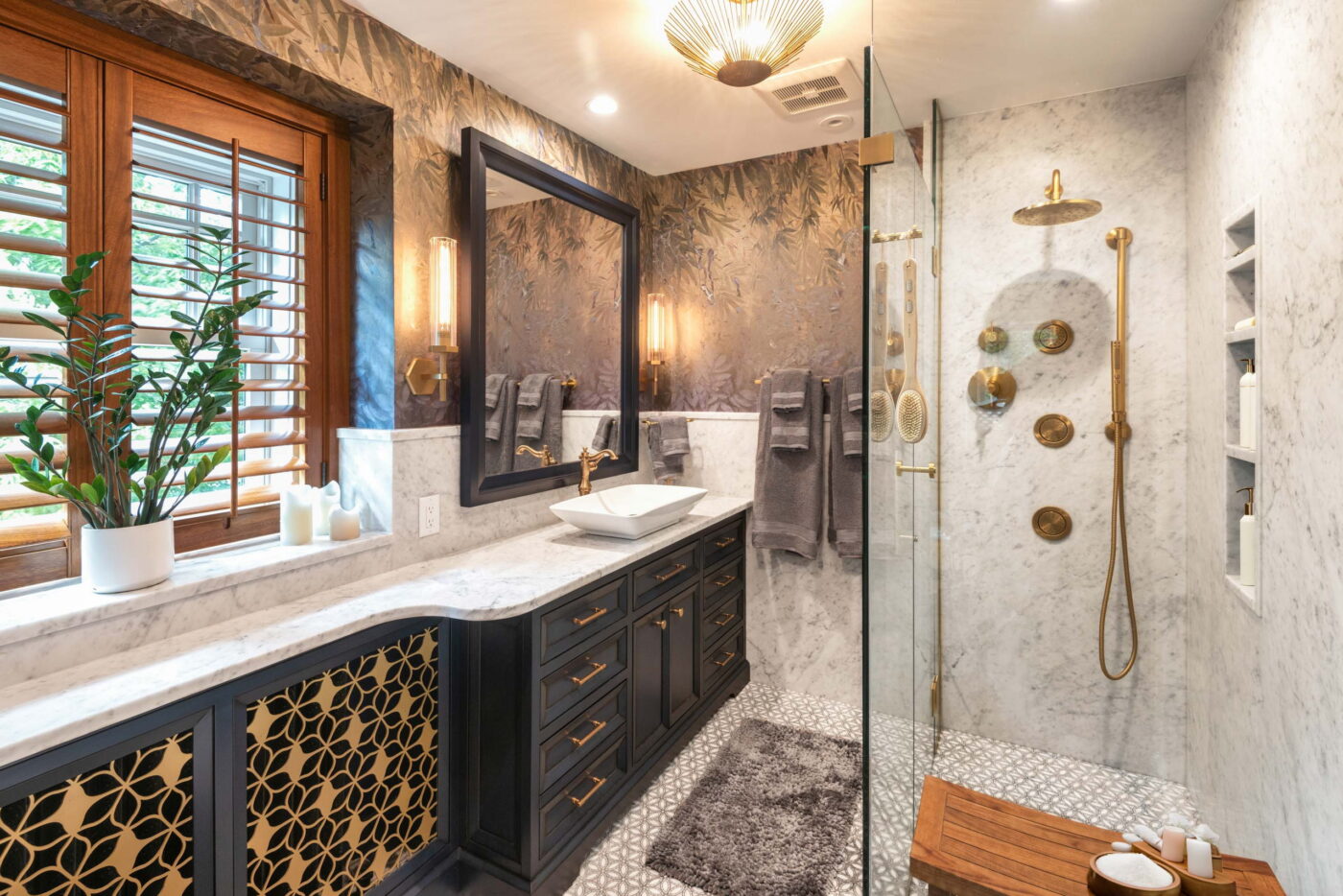
The Bamboo Breeze Bathroom
A stately 1913 Craftsman, a worn-out bath, and a wish list for 68 square feet.
Planning something similar?
Are we a good fit? Let’s talk about your home and how you like to work — and take it from there.