
How to Choose the Right Builder for Your Plans
Three bids for the same plans, three different prices. How to tell a quality builder from a cheap one, and what to ask.
Your Mantis plans are done, and now you need someone to build them. You meet three builders and get three estimates, each different and each worded differently. How do you know which offers the best value? It can feel like deciphering scrolls from different civilizations, then trying to compare them.
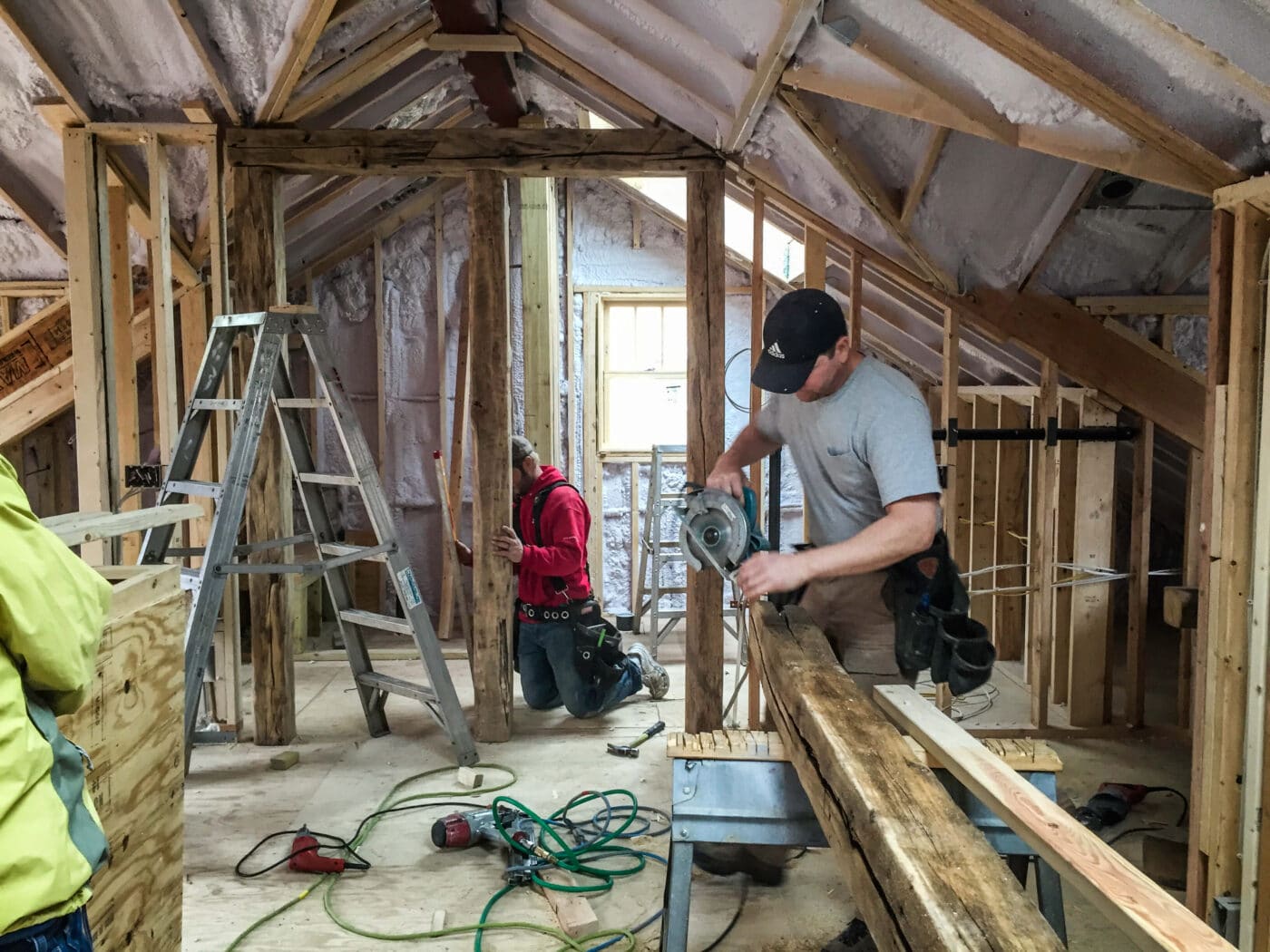
Complete plans help. Every builder is pricing the same drawings, specifications and selections, so differences in price usually come down to the quality of materials, the level of craftsmanship, and what each bid includes or leaves out. Remodeling may be one of your biggest expenses, and the cheapest bid can cost far more in the long run. What you’re really looking for is the best value.
Quality builders vs. cheap builders
Poor work affects everything it touches. Water intrusion is one of the biggest problems we see: a shower pan that rots the floor and the room below, leaky windows that rot the frame of the house, hasty caulking that lets water everywhere.
Quality contractors
- Are licensed and insured as required by law
- Charge fairly for the work
- Use products that stand the test of time
- Leave things looking professional
- Welcome inspections
- Install fixtures and appliances correctly
- Are considerate and respectful of your home
- Keep learning new techniques and products
Cheap contractors
- May not be licensed or insured
- Undercharge and cut corners, or overcharge for low-quality work
- Use lower-quality products with shorter lives
- Leave things looking unprofessional
- Dodge inspections
- Install them incorrectly
- May be less aware of their surroundings
- Get stuck in their ways
What to look for
Your plans spell out what gets built. How well it gets built is up to the builder and the trades they bring. A few examples:
Tile setters
Good tile-setting is more than “licking and sticking” tile to a wall. Much of a quality job happens before the tile is set, in the underlayment: waterproofing, in-floor heat, insulation backing and more. Then come even grout lines and perfectly caulked seams. A cheaper tile-setter may use lesser underlayment or less durable techniques. It’s the same square footage of tile, but the results speak for themselves.
Plumbers
One plumber bids higher because she recommends long-lasting materials, connections and fixtures. Another charges less but uses cheaper products that fail sooner, often damaging the areas around them. The lower price ends up higher when you have to re-do the job in a couple of years, usually just outside the warranty.
Carpenters
A small window leak can rot framing, drywall, plaster, woodwork, siding and the window itself. A quality carpenter stays current on building science and flashes the window properly to direct water away from the house. A cheap one may not, leaving hidden leaks.
Cabinet makers
A couple we worked with went with a cheaper contractor for their kitchen cabinets and called us halfway through. The cabinets were low quality, and so was the craftsmanship. Cabinet quality is hard to judge from the outside, and they ended up spending more than planned to have the work re-done.
Personal qualities
Pay attention to the person coming into your home. A remodel can be a big disruption, and you want people who respect your space and your life, not someone who leaves the front door open or a trail of mess. Are they honest? Are they listening? Do they care about your well-being? When the inevitable mistake or challenge comes up, you want someone who is on your team all the way to the end.
Questions to ask a builder
- Are you and your tradespeople licensed and insured?
- Can I see examples of other projects you’ve done, and speak with those clients?
- Have you built from a designer’s complete plans before? How do you handle questions that come up on site?
- Are your prices fixed or cost-plus? (See What Drives Remodel Cost)
- Does your bid follow the plans and selections exactly? Large price differences usually mean different products, different levels of craftsmanship, or something left out.
- Will there be a plan or schedule we can count on?
- What’s the average timeframe for a project like ours?
How we help
We help you gather and compare bids, hand off the plans, and Paul is available over video during construction. And if you’d like one team from start to finish, Mantis can build it too.
Questions? Send us a note through the contact form, or give us a call at (612) 377-0123. We return every message within one business day.
Keep reading.
 Design guidance
What Drives Remodel Cost
How budget, scope and contract type shape what you pay.
 Design guidance
Design-Only or Design-Build? How to Choose
Two ways to deliver a remodel, and how to tell which one fits your project.
 Design guidance
Frequently Asked Questions
Design, budgets, timelines, and working with the builder you choose.
Planning something similar?
Are we a good fit? Let’s talk about your home and how you like to work — and take it from there.